
Samantha Dravis Joins NewsNation To Discuss Harris's Policies
“Under the Harris-Biden administration, we’re seeing inflation rise to the highest it’s been in three decades, we’ve seen $8 trillion added to the debt because of the reckless and wasteful spending, we’re having absolute crisis levels of illegal immigration, and we’ve got a regulatory environment that is absolutely strangling our domestic energy industry.” – AxAdvocacy’s Samantha Dravis to NewsNation
SNAPSHOT
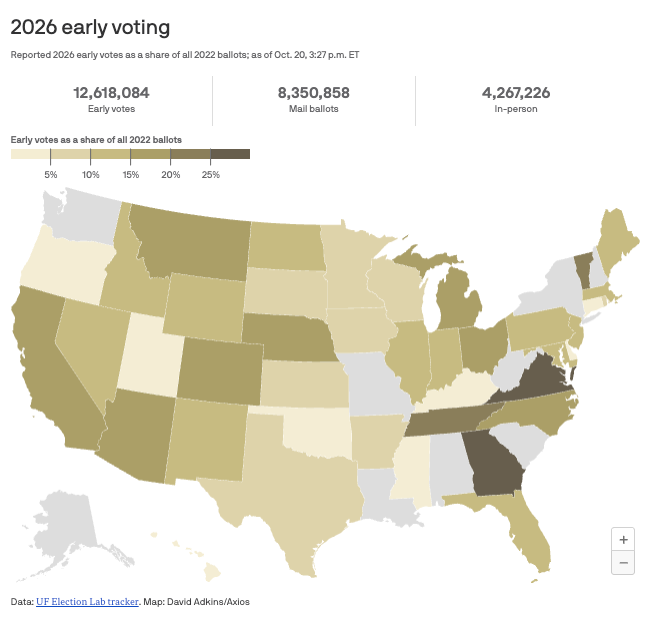
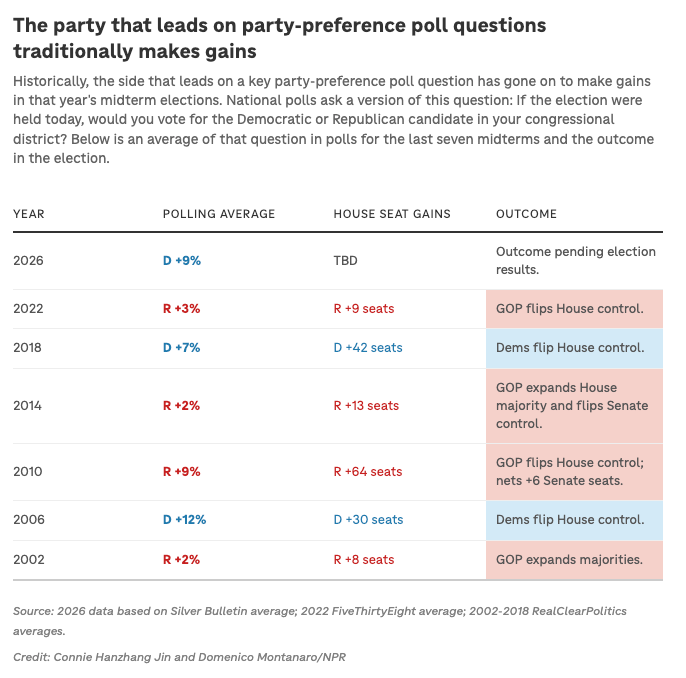
The Morning After: Why Post-Election Planning Starts Now With less than three weeks until Election Day, nearly all the attention is on who will win. For organizations with business before government, the better question is what they will do the morning after. November 3 will reset the cast of characters, shift the leverage, and open one of the most compressed legislative windows of the year. The organizations that come out ahead will be the ones that planned for every outcome before the votes were counted. A Five-Week Sprint The current continuing resolution funds the government through December 11, leaving a lame-duck Congress about five weeks to deal with FY27 spending, the NDAA, a possible third reconciliation package, and expiring programs from surface transportation to healthcare. Many of those decisions will be made by members who just won, just lost, or are about to hand over the gavel. And as Bob Salera noted in his recent look at polling error , today's polling leads are provisional, so the smart move is to plan for every scenario, not just the forecast. What to Do Now The next three weeks are the best time an organization will have to prepare. Once results are in, every company, association, and coalition will be chasing the same new offices with the same requests. Get in front of new members early. Identify the candidates in open seats and competitive races who will matter to your issues, and be ready to reach out the day after the election with information about what you mean to their district. Those who show up early become trusted resources. Those who show up in February with an ask become one more meeting request. Know the new decision makers. New offices hire chiefs of staff and legislative directors between November and January, and retirements will open committee chairs no matter who wins. Know who is coming, who is next in line, and where they stand on your issues. Shape the narrative before someone else does. New members form their views quickly, often from what they read and hear at home. Have your story ready for local press, op-ed pages, and the trade outlets new staff will be reading in their first weeks. Bring local voices . Map your footprint in every district and state that matters, from employees and facilities to customers and community partners. A constituent in the room carries more weight than any one-pager. Line up your allies. Coalition partners, local leaders, and third-party validators who can carry your message matter even more with lawmakers who do not know you yet. Lock in your lame-duck asks. If your priority could ride on a funding bill, the NDAA, or an extender package, it needs to be drafted, socialized, and backed by allies before Congress returns. Be ready on day one. Prepare statements for every outcome, a briefing package built for new offices, and digital content ready to deploy the moment results are in. Don't Forget the States Thirty-six governorships and most state legislative chambers are on the ballot. New governors start building transition teams within days, and many legislatures convene in January. Every capital where you do business needs the same plan: relationships with incoming leaders and a message built for them. The Bottom Line Election Day ends the campaign, not the work. The relationships and narratives that will decide your issues in 2027 are taking shape now. At AxAdvocacy, we pair federal and state government relations with integrated public affairs campaigns, so our clients are in the room and in the conversation on day one.
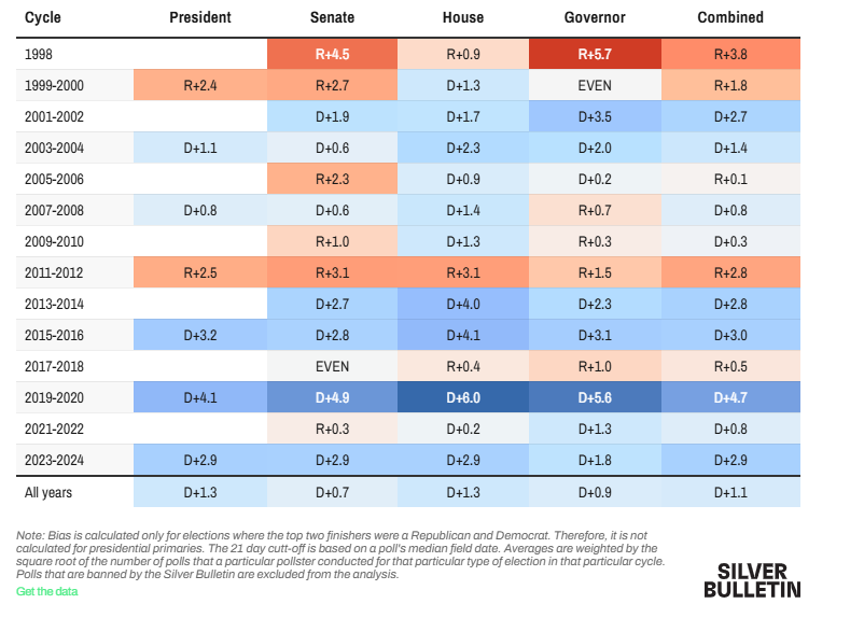
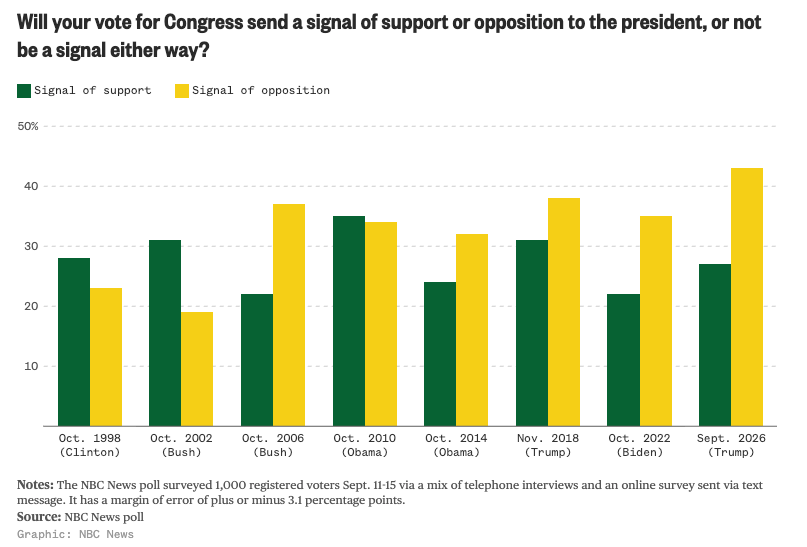
Polling Error Is the Wild Card Heading Into November With four weeks until Election Day, Democrats are enjoying some of the most favorable polling they have seen in years. The question for anyone planning around November's results is a simple one: are the polls right? Recent history says that is far from guaranteed. In each of the last three election cycles, polls have missed in the same direction, and that direction has been toward Democrats. Three cycles, one direction Nate Silver's Silver Bulletin tracks the average statistical bias in polls taken during the final three weeks of each election cycle. The pattern since 2019 is hard to miss: • 2019-2020: polls overstated Democrats by 4.7 points across all offices • 2021-2022: polls overstated Democrats by 0.8 points • 2023-2024: polls overstated Democrats by 2.9 points Averaged together, that is a 2.8-point miss in Democrats' favor.
SNAPSHOT
SNAPSHOT
The Post-Recess Congressional Outlook Congress returned from its five-week August recess and sent a bill to the President to fund the government through December 11, but the major fiscal and policy fights remain unresolved. That makes the CR a ceasefire, not a resolution — the fight over spending and policy is still ahead. The Clock The calendar is shrinking by the week. The House returned August 31, then canceled its remaining two full work weeks in September, leaving a single four-day session (September 14-17) before members leave for the campaign trail. The Senate has a bit more time, scheduled to stay in session through October 2. The September 30 fiscal-year deadline is no longer the immediate deadline because the CR extends funding through December 11. Neither chamber has the runway to finish the remaining major legislative agenda items before Election Day. The likely outcome is that decisions on government funding beyond December 11, the FY27 National Defense Authorization Act, and the fate of a third reconciliation package extend into the lame-duck session - decided by a Congress that may look different than the one sitting today. Appropriations & NDAA Appropriations and NDAA are traditional must-pass priorities. Reconciliation is optional. Appropriations remain the most immediate pressure point, and the December 11 deadline only buys time on the FY27 spending bills. All twelve have cleared the House Appropriations Committee, but only three have passed the full floor, and the Senate hasn't reported a single one out of committee. That disparity reflects the two chambers' unresolved fight over topline defense and non-defense spending levels. Absent a herculean effort by the leadership of the House and Senate Appropriations Committees, passing any of the outstanding bills across both chambers by year's end is unlikely, and another stopgap will likely be necessary. After six decades of annual enactment, the odds are in favor of Congress ultimately producing an NDAA. The House passed its version in July by a narrow margin, authorizing roughly $250 billion more in defense spending than FY26 levels. The Senate's version is still pending, stalled since a failed July cloture vote, and even once it passes, a conference committee still has to reconcile the two chambers' different versions before anything reaches the President's desk. NDAA hasn't been signed into law before December in any of the last several cycles; last year's version wasn't signed until December 18, and this year is tracking the same way. With no official Senate passed product, the two chambers will begin informal conference discussions in earnest after the Congress officially breaks for the election season. Reconciliation 3.0 Reconciliation is the one item on this list Congress does not have to touch. Republicans already used the process once this year, passing a second reconciliation bill in June that provided roughly $70 billion in funding for ICE and CBP. A third package, built around Iran war funding, agricultural aid, and provisions tied to Republicans' election-law priorities, cleared the House in July, but the Senate has not advanced it. Majority Leader Thune has said he'd rather hold the framework in reserve as leverage for the funding fight than spend it on a standalone package before the election. Its prospects are likely to depend in significant part on how the funding negotiations develop as well as the election outcome. If one or both Chambers flip, look for Republicans to revisit reconciliation efforts as a last-ditch effort to provide funding to the Administration for key priorities prior to the new Congress. What the Election Changes The election will determine how much leverage each side has during the lame-duck period. With the election on November 3 and the CR expiring December 11, the lame-duck Congress would have roughly five weeks to resolve the next round of government funding. If Republicans retain both chambers, they can continue pursuing their legislative agenda, but the incentive to complete major priorities before the new Congress takes office would still depend on the size of their margins and the remaining legislative calendar. If Democrats win either chamber, the outgoing GOP majority faces greater pressure to resolve outstanding priorities before the new Congress takes office, when the balance of power could shift. That could create a final push to lock in NDAA authorization levels and take another run at reconciliation before new members take office in January. The Bottom Line The next sixty days matter more than the usual pre-election lull suggests. The major open questions: the FY27 spending bills, NDAA authorization levels, and whether Republicans pursue a third reconciliation bill, remain unresolved. Organizations with a stake in any of these three fights have a narrower window than usual to get specific asks attached before that happens, and that window closes well before Congress reconvenes in January.
